
Truth About Activated Charcoal Teeth Whitening: Abrasive?
The black magic of activated charcoal is a hot topic right now. Everyone wants to know more about Activated Charcoal Teeth Whitening Powder. The use of Activated Charcoal for teeth whitening is widely discussed on social media.

There are many online stores that offer activated charcoal teeth whitening products. A lot of their supplies are activated charcoal powder and toothpaste.
Activated charcoal has a variety of uses. It is used in face masks, for hair, for teeth, to whiten teeth, etc.
The fact that activated charcoal can whiten teeth is a surprise, but is it safe to use?
There is a growing trend among people to use activated charcoal powder to whiten their teeth. If not, they are at least using toothpaste that contains charcoal. You may wonder if it’s really effective to turn yellow teeth white.
Activated Charcoal Teeth Whitening – Pros and Cons
Let’s now explore activated charcoal and teeth whitening.
Activated charcoal has been used for many purposes since ancient times. However, it gained popularity only after it was discovered that teeth whitening could be done safely with it.
A patient who swallowed mercury chloride in the 18th century suffered a fatal reaction. After being treated with activated charcoal, he was saved from death.
Most people are familiar with active charcoal’s uses. Primarily used for barbecuing, heating traditional iron boxes, and cooking.
There has been a great deal of research done on activated charcoal. Research into how it could be used for different purposes. Today, teeth whitening seems to be the most popular application for activated charcoal.
There is no clear evidence that activated charcoal whitens teeth. As a result, the American Dental Association does not endorse products containing activated charcoal.
According to the American Dental Association, activated charcoal induces more harm than good to teeth by affecting enamel. In spite of the lack of scientific evidence, some people believe activated charcoal can whiten teeth and remove tooth stains.
How Activated Charcoal Powder Is Made?
Coconut shells make up the majority of the ingredients in activated charcoal powder. Along with the coconut shells, charred olive pits, sawdust, and coal are also added.
Charcoal is activated by high temperatures. Heat changes the internal structure of charcoal, making it more absorbent. It is much more absorbent than ordinary charcoal. When activated charcoal is made, it eliminates harmful substances.
Activated charcoal has a negative charge, which attracts positively charged molecules. Gases and toxins also carry an electrical charge. In this way, activated charcoal absorbs harmful toxins and gases.
How Safe is Activated Charcoal for Teeth Whitening?
Today, the commercial bleaching of teeth is a huge industry. Several companies compete with one another, offering different bleaching tooth treatments. Additionally, dental clinics offer many solutions for bleaching teeth. Social media is also full of DIY remedies.
Where does activated charcoal rank among the competition? As mentioned previously, there is no scientific evidence that activated charcoal whitens teeth. However, activated charcoal is approved for use in many health-related applications by the FDA.
The experience suggests that activated charcoal powder can whiten teeth.
Charcoal is effective in removing plaque and yellow stains from teeth. Charcoal does not neutralize toxins; instead, it binds them to itself, thereby removing stains, toxins, and chemicals from the teeth. So, activated charcoal makes a natural teeth-whitening agent. As time went on, activated charcoal became the base for teeth-whitening toothpaste. Therefore, these products are heavily sold and are subject to intense competition around the world.
What Dentists Say About Activated Charcoal Teeth Whitening
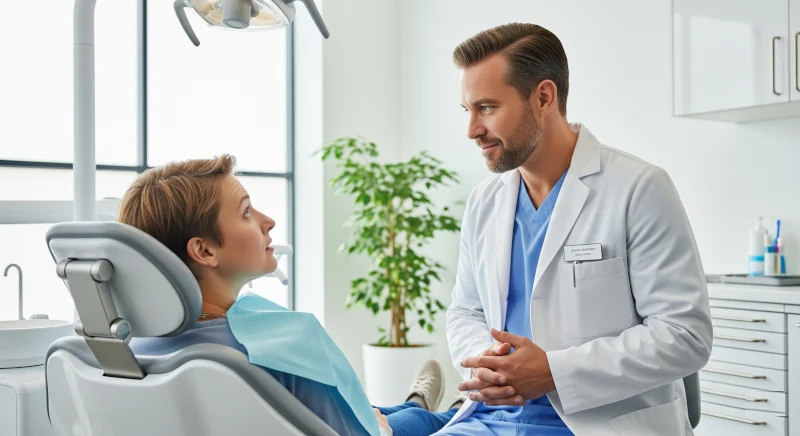
While activated charcoal can remove some surface stains, dental professionals generally advise caution or avoidance due to significant safety risks. As of 2026, the American Dental Association (ADA) has not granted its Seal of Acceptance to any charcoal-based toothpaste because there is insufficient clinical data to prove they are safe or effective.
Key Concerns from Dentists:
- Enamel Erosion: Activated charcoal is highly abrasive. Regular use can wear down tooth enamel—the protective outer layer that cannot grow back—leading to permanent damage.
- Increased Yellowing: Ironically, as enamel thins from abrasion, the yellowish dentin layer beneath it becomes more visible, making your teeth appear darker or more yellow over time.
- Tooth Sensitivity: Worn enamel exposes the sensitive parts of the tooth, causing pain or discomfort when consuming hot, cold, or sweet foods.
- Lack of Fluoride: Many charcoal products are fluoride-free. Dentists warn that without fluoride, teeth are more vulnerable to cavities and decay.
- Staining of Dental Work: Charcoal particles can get trapped in the microscopic cracks of veneers, crowns, bridges, or white fillings, creating gray or black outlines that are difficult to remove.
- Gum Irritation: The gritty texture can irritate or damage soft gum tissue, potentially leading to gum recession.
Dentist-Recommended Alternatives:
If you choose to use charcoal products, dentists suggest limiting use to once or twice a week and using a fluoride toothpaste for daily care. For safer and more effective whitening, they recommend:
- Professional Treatments: In-office whitening or dentist-supervised take-home trays use safe chemical agents like hydrogen peroxide to whiten beyond surface stains.
- ADA-Approved Products: Look for whitening toothpastes or strips that have the ADA Seal of Acceptance to ensure they have been tested for safety.
- Baking Soda: Some dentists suggest a paste of baking soda and water as a milder, less abrasive natural alternative for surface stains.
How To Use Activated Charcoal Teeth Whitening Toothpaste?
Before whitening your teeth, it is always recommended to talk to a dentist. Get advice from a dental professional.
Activated charcoal toothpaste or powder should be used in moderation, as excessive use is abrasive to the teeth. You shouldn’t use a toothbrush with hard bristles. Avoid using force while brushing your teeth, especially with activated charcoal.
These bad practices can cause tooth decay once the dentin is exposed. Once the dentin is exposed, teeth get worn out faster. It ultimately affects oral health. Activated charcoal or toothpaste should be used with extra care. Many people are affected by erosion due to overuse.
In order to whiten your teeth, smear the toothpaste on the teeth with your index finger. Avoid brushing with a toothbrush. This way, you can ensure that the enamel doesn’t get damaged.
Other Methods to Remove Stains from Teeth
There are also many other ways to whiten or remove stains from teeth. Apple cider vinegar, for example, is regarded as a natural teeth whitener.
Activated Charcoal: Other Medical Uses
The following are some of the properties of activated charcoal that promote healing and toxin binding:
- Poison treatment – It is used in emergency poison treatment.
- Drug overdoses – Among adults, it helps reduce the absorption of drugs to prevent overdose.
- Improves kidney function – It lowers blood urea levels and creatinine levels. Most often, it is used for patients with kidney failure (ESRD).
- Lowering cholesterol levels -Throughout our digestive tract, cholesterol acid is absorbed by it. Therefore, it limits the amount of cholesterol absorbed by our bodies.
- Skin treatment – The application of charcoal on the skin can help clean the skin pores. Furthermore, it reduces acne scars and makes dark underarms lighter.
Activated charcoal is also able to purify our bodies of harmful free radicals. The human body cannot absorb activated charcoal. As it passes through our digestive tract, it encapsulates free radicals and removes them from our bodies.
Takeaway
ADA Seals of Acceptance is the best way to identify products that are recommended by the American Dental Association.
Activated charcoal powder or toothpaste is recommended for whitening because many people have reported positive results. Nonetheless, to protect the health of the tooth enamel, it is advised that you do not use too much.
The best way to ensure good oral health is to use products that are FDA-approved and to see a dentist regularly. The dentist can tell you whether or not this treatment will be suitable for you. The doctor can also suggest other alternatives to you.
Source:
Noble Home Remedies adheres to rigorous sourcing standards, drawing information from peer-reviewed studies, reputable academic research institutions, and esteemed medical journals and associations. We prioritize using high-quality, trustworthy sources to maintain the accuracy and integrity of our content. You can learn more about how we ensure our content is accurate and current by reading our editorial policy.
- Activated Charcoal- Past, Present, and Future – https://www.ncbi.nlm.nih.gov/pmc/articles/PMC1306980/pdf/westjmed00158-0063.pdf
- What Is the ADA Seal of Acceptance? – https://www.mouthhealthy.org/en/ada-seal-products/what-is-the-ada-seal
- Natural Teeth Whitening: Fact vs. Fiction – https://www.mouthhealthy.org/en/az-topics/w/natural-teeth-whitening
- Single-dose activated charcoal – https://pubmed.ncbi.nlm.nih.gov/15822758/
- Combination of oral activated charcoal plus low protein diet – https://pubmed.ncbi.nlm.nih.gov/20061701/
- Charcoal and charcoal-based dentifrices – https://jada.ada.org/article/S0002-8177(17)30412-9/fulltext
- Oral Health Topics – Toothpaste – https://www.ada.org/en/member-center/oral-health-topics/toothpastes
- Is Activated charcoal safe to use for teeth whitening? – https://www.cambriasmiles.com/blog/2020/08/31/is-activated-charcoal-safe-to-use-for-teeth-whitening/
Trust in your purchase:
Every product featured on our site has been carefully researched and selected based on quality, customer ratings, and positive reviews to ensure you receive excellent value for your money.
Please note:
This post contains affiliate links. If you make a purchase through these links, we may earn a small commission at no additional cost to you. This helps support our site and allows us to continue bringing you valuable content. Thank you!
Thank you for your precious time spent with NobleHomeRemedies.
You may also like:
How to Remove Stains from Teeth Naturally
How to Remove Stains from Teeth in Just One Day?: Naturally! How to remove stains…
Teeth Whitening At Home
Brighten Your Smile: The Ultimate Guide to Teeth Whitening at Home Embarking on a journey…
Top 7 Natural Treatment Gum Disease
Top 7 Natural Treatment Gum Disease Gum disease is an infection of tissues of the…
Get Rid of Bad Breath (Halitosis) – Effective natural way
Get Rid of Bad Breath (Halitosis): 12 Effective Natural Ways Bad breath is something that…
Fast Tooth Pain Relief Natural Remedies
Fast Tooth Pain Relief Natural Remedies – Pepper & Salt Toothache pain can be controlled….
Natural Antibiotics for Tooth Infections
Unbeatable Power of Natural Antibiotics for Tooth Infections Tooth infections can be a common and…